UNDERSTANDING LANDLORD INSURANCE
Protection Beyond a Standard Homeowners Policy.
A landlord insurance policy can provide important protection for your rental property, liability exposures, and potential loss of rental income. Available coverages depend on the policy form, property occupancy, and insurance carrier.
Helps cover damage to your rental property's insured structure caused by covered events, such as fire, wind, or other eligible losses. The causes of loss covered depend on your specific policy form, limits, deductibles, and exclusions.
Dwelling Coverage
May help protect you financially if you're found legally responsible for certain injuries or property damage involving your rental property. Liability coverage is not automatically included in every dwelling policy and may require a separate policy or endorsement.
Premises Liability
When included in your policy, loss of rental income coverage may help replace eligible rental income if your property becomes uninhabitable following a covered loss. Coverage is subject to applicable limits, waiting periods, conditions, and exclusions.
Loss of Rental Income
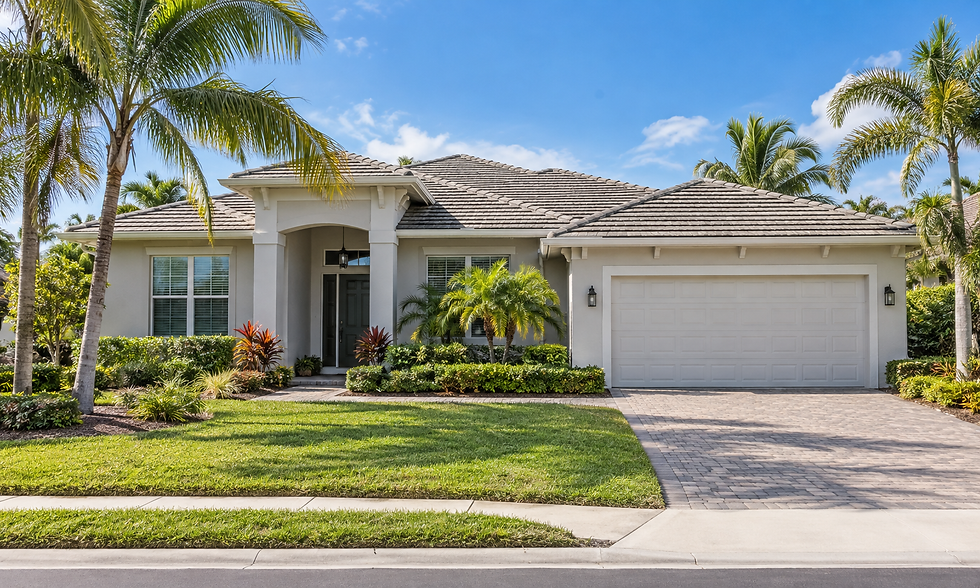
Long-Term Rentals
Properties rented to tenants under traditional leases.
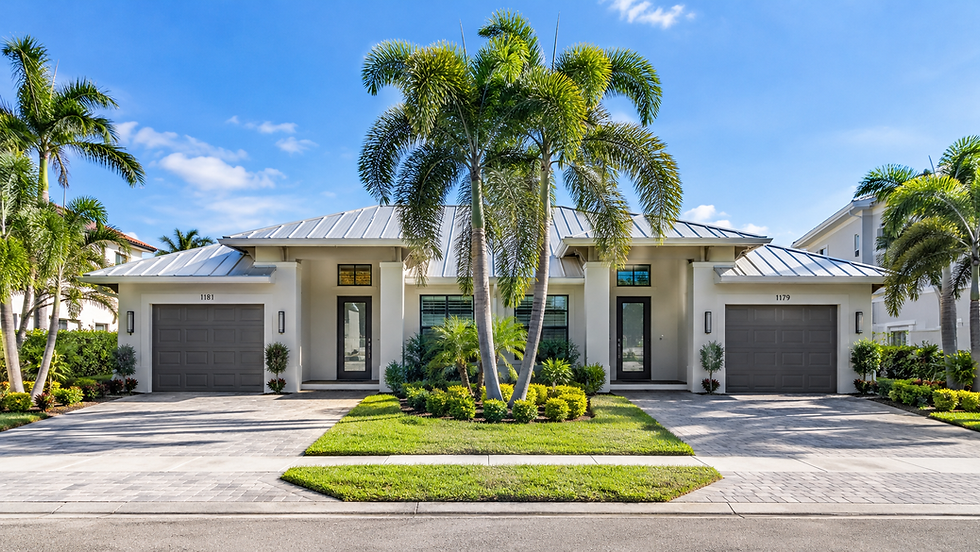
Duplexes & Multi-Unit Properties
Properties with multiple rental units and different underwriting considerations.
How is Your Property Being Used?
Different rental properties have different insurance needs. Whether you rent to long-term tenants, offer short-term stays, or own a multi-unit property, how the property is used can affect your coverage options.
THE RIGHT COVERAGE STARTS WITH HOW YOU USE YOUR PROPERTY

Short-Term & Vacation Rentals
Properties used for Airbnb, VRBO, or other temporary stays.
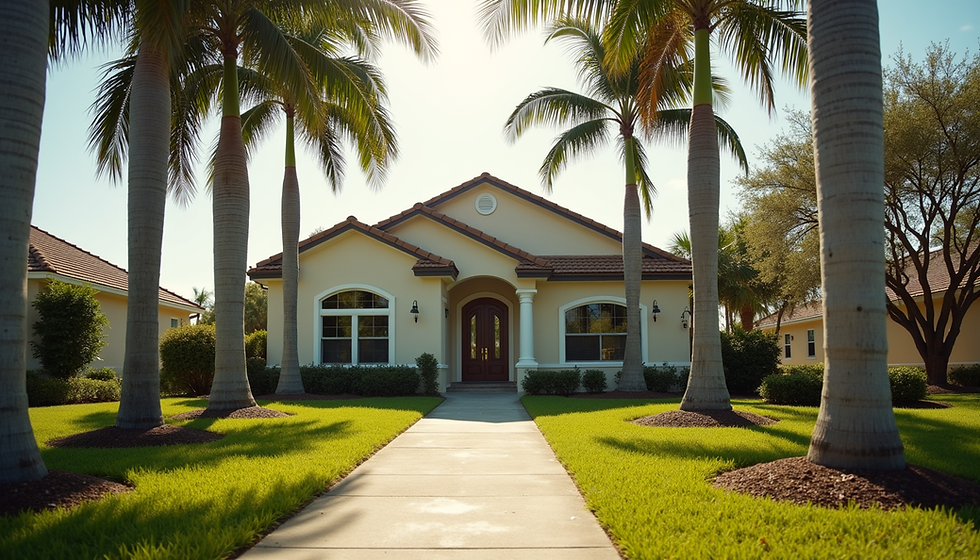
Vacant Properties
Unoccupied properties that may require specialized insurance agreements.

FLORIDA RENTAL PROPERTY CONSIDERATIONS
Important Factors to Keep in Mind.
Wind and Hurricane Coverage
Understand hurricane deductibles, roof eligibility, and available wind coverage.
Water Damage and Flooding
Standard landlord policies generally exclude flood damage and other water coverage can be limited.
Tenant Occupancy
Changes in tenants, occupancy, or property use can affect eligibility and coverage.
Property Ownership
Correctly identifying the property owner, including an LLC when applicable, is important.
COMMON QUESTIONS
Landlord Insurance FAQs
Homeowners insurance is generally designed for a home you occupy as your primary residence, while landlord insurance is intended for eligible properties rented to others. Landlord policies may provide building coverage, liability protection, and loss of rental income coverage, depending on the policy. The correct policy depends on how the property is owned, occupied, and used.
It depends on the type of damage and your policy. Certain sudden and accidental losses may be covered, but intentional damage, vandalism by tenants, wear and tear, and maintenance-related issues may be limited or excluded. The coverage available varies by policy form and carrier, so it's important to review the specific terms.
Some landlord policies offer loss of rents or fair rental value coverage when a covered property loss makes the rental uninhabitable. This coverage is not automatically included in every policy and generally does not cover lost rent caused by tenant nonpayment, ordinary vacancies, or other circumstances unrelated to an insured loss. Limits, conditions, and exclusions apply.
Short-term and vacation rentals often have different insurance requirements than properties rented to long-term tenants. A standard homeowners or landlord policy may exclude or restrict certain short-term rental activities. If you use your property for Airbnb, VRBO, or similar arrangements, it's important to disclose that use so we can explore appropriate coverage options.
Standard landlord insurance generally excludes damage caused by flooding, including rising water, storm surge, and surface water. Separate flood insurance may be available through the National Flood Insurance Program (NFIP) or private flood insurers. Property eligibility, coverage limits, deductibles, and waiting periods depend on the policy selected.
